

Is satellite internet worth your while? If you’re a rural or remote user who lacks access to wired broadband, then probably yes. However, instead of presenting an opinion, we’ll let the numbers speak:
Satellite internet’s market size on a global level was more than 11 billion USD in 2025 and is projected to cross 35 billion USD by 2033. Moreover, the North American market held the largest revenue share at 34.2% in 2025 – Grand View Research
Turns out, satellite internet has major scope in the U.S. and particularly in rural/remote regions. While traditional Geostationary Earth Orbit (GEO) satellite internet is often viewed as a last resort for rural connectivity, the advanced Low Earth Orbit (LEO) satellite internet service by providers like Starlink is a game-changer.
At the end of the day, the broadband situation in your locality determines whether satellite internet is worth your time and money.
Quick Take: Should You Get Satellite Internet in 2026?
When the idea of trying satellite internet pops up in your head, the first question you need to ask yourself is: Do I have any wired broadband options? If the answer is “yes”, you can stop right there and discard the thought.
| Your Situation | Worth It? | Best Option |
|---|---|---|
| Rural home, no fiber/cable/5G | Yes | Starlink |
| Rural home on a tight budget | Probably | Hughesnet Lite |
| Remote worker in a rural area | Yes | Starlink |
| Suburban/urban home with fiber nearby | No | Use fiber |
| Online gamer (GEO satellite only) | No | Wait for Starlink availability |
| RV or nomadic traveler | Yes | Starlink Roam |
| Backup internet connection | Maybe | Depends on primary provider |

Fiber and cable internet services are faster, cheaper, and more reliable; hence, if you can easily get your hands on any of those, no point in mulling over satellite internet. If a fiber or cable connection is out of the picture, but a solid DSL connection or strong 5G signals are available, go with any of those two instead of satellite.
Satellite internet would be a valuable choice if DSL is low quality/too sluggish and cellular (4G/5G) coverage is extremely poor around where you live. Modern LEO-satellite-based services can offer high-speed and low-latency internet, but the cost is comparatively high.
What You Get with Satellite Internet in 2026 (vs. 5 Years Ago)
The satellite internet market is not the same as it was five years ago. If the last time you explored or experienced the technology was around 2020, you have a lot to catch up on.
About five years back, the satellite internet industry was dominated by GEO technology. The GEO satellites are massive entities that float in space over 20,000 miles above Earth. Communicating with these satellites requires data signals to travel long distances, which results in high-latency internet (600ms+).
Running heavy real-time applications like multiplayer gaming and video conferences can be insufferable with high-latency broadband. Luckily, the satellite internet landscape has made massive progress in the last five years. It looks vastly different in 2026, thanks to the introduction of LEO satellite technology.
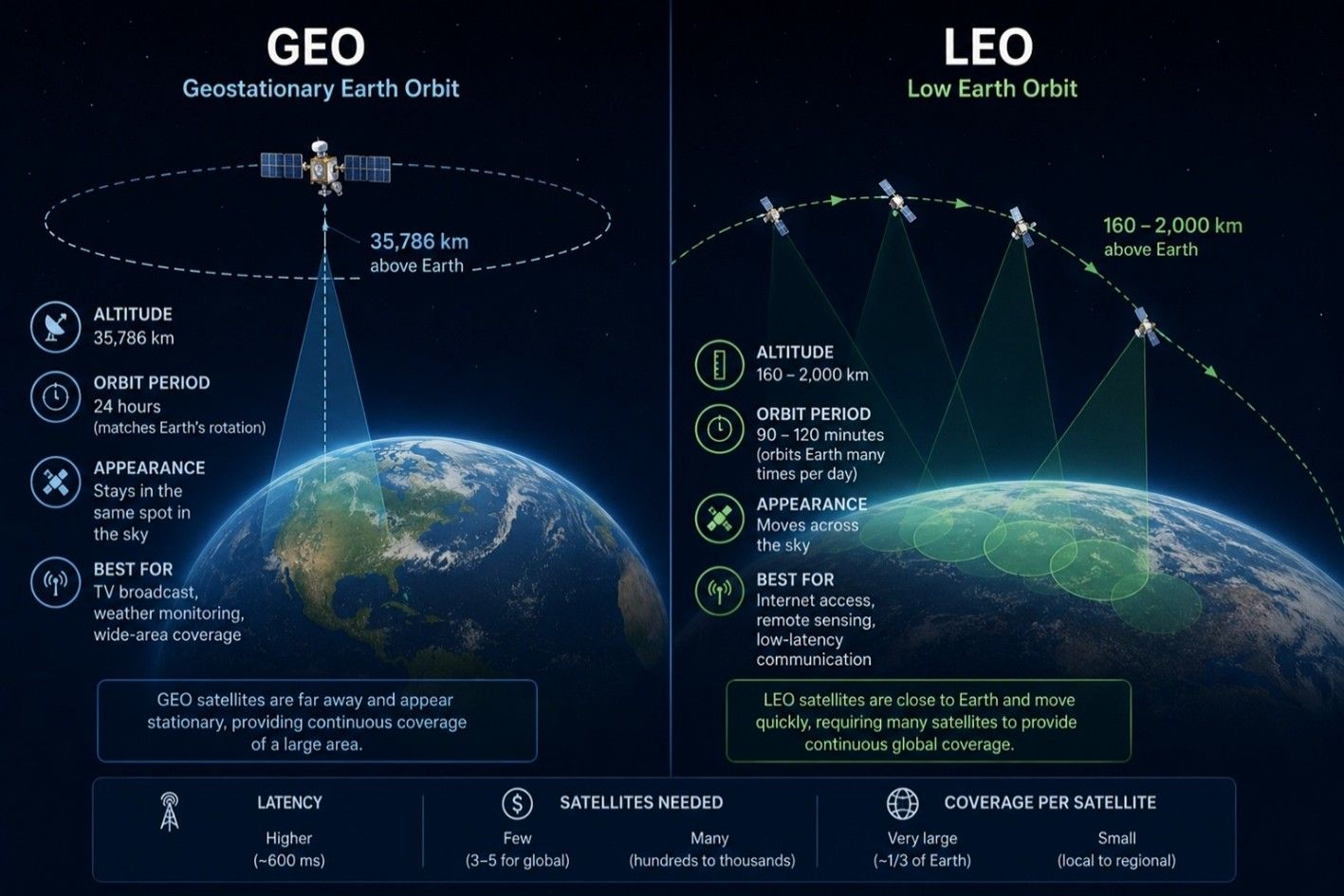
Today, LEO-based satellite service providers like Starlink take center stage by offering fast and low-latency internet that’s comparable to wired broadband in terms of performance. LEO satellites form a vast constellation situated much closer to Earth (100 – 1200 miles away only).
Starlink’s LEO-based satellite internet can deliver speeds beyond 200 Mbps, and the average latency is between 20 – 40ms, which enables smooth gaming, streaming, and remote work.
When Is Satellite Internet Really Worth It?
The feasibility of a satellite internet connection largely depends on your location and lifestyle. It’s certainly worth investing in if you can relate to one or more of the following scenarios:
1. You Live in a Rural or Remote Area with No Other Options
Internet service is essential to survive in the modern era; so, if satellite internet is the only way to connect, you grab it without thinking twice. It might seem a bit too expensive, and performance may fluctuate, but it’s better than living disconnected, i.e., without broadband access.
2. You Work Remotely and Need Reliable Connectivity
Working online from a secluded area has several perks, such as lower housing costs, no need for a daily commute, and a calm environment you don’t get amidst the city buzz. However, wired broadband is hard to get in these places, and that’s when satellite internet saves the day. The financial and psychological benefits of remote work more than make up for the slightly pricier internet service.
3. You Travel or Live in an RV
Traditional wired broadband only works for a fixed address or location, which makes it incompatible with a nomadic lifestyle. Therefore, if you’re continuously on the move or living in an RV/mobile home, satellite internet could be the best solution; Starlink Roam plans are specifically designed for travelers and road trips.
4. You Just Need Basic Internet for Light Use (Budget Option)
If you don’t need internet for work, gaming, or running other real-time applications, you can settle for cheaper satellite internet options. GEO-based entry-level plans from providers like Hughesnet are quite affordable and ideal for light internet usage.

When Satellite Internet is NOT Worth It
Truth be told, satellite internet is not recommended for everyone. Despite being a useful broadband resource in rural and remote areas, it’s not worth paying for in the following situations:
1. You Have Access to Fiber or Cable
Many fiber and cable internet providers have extended services to select rural and remote areas; hence, if your address qualifies for either service, you should definitely skip satellite internet. Wired broadband options are generally cheaper and capable of providing superior performance.
2. You Are an Online Gamer Using GEO Satellite (Hughesnet, Viasat)
GEO satellite is not suitable for real-time and bandwidth-heavy activities like online gaming or video conferencing. The high latency causes lag, connection drops, and patchy audio/video, which wreck the user experience. Switching to an LEO-based satellite internet service is recommended to fix the high-latency issues.
3. You Are on an Extremely Tight Fixed Budget
Satellite internet technology doesn’t come cheap; the monthly service cost, along with equipment charges, can add up to quite a lot. If you’re someone who is already struggling to make ends meet due to limited income, it’s better to rely on cellular service or fixed wireless instead.
Is Starlink Worth the Cost?
Currently, Starlink is the top-rated satellite internet provider with its advanced LEO technology and wide reach. Unlike traditional GEO-based satellite service, it can achieve fairly high speeds and low latency. However, the premium experience comes with a price tag to match, so let’s find out if it’s worth it:
Equipment and Monthly Cost Breakdown
When you sign up for Starlink residential internet service, your monthly expenses vary by the chosen plan. The cheapest option is the 100 Mbps plan at just $55 a month. Upfront equipment cost is about $349, but leasing options are available to select areas.
- Starlink full first-year cost with the RESIDENTIAL - 100 Mbps plan: $349 equipment + ($55 x 12) = $1,009
- Starlink full first-year cost with the RESIDENTIAL - 200 Mbps plan: $349 equipment + ($85 x 12) = $1,369
- Starlink full first-year cost with the RESIDENTIAL – MAX (up to 400 Mbps) plan: $349 equipment + ($130 x 12) = $1,909
P.S. The total cost for the next year will be relatively low as equipment costs are one-time; however, price changes may apply.

Although the annual cost may seem high compared to conventional broadband services, it is justified when you consider the losses associated with having no internet access. For example, if the service allows you to keep a well-paying remote job, the odds are in your favor.
Real-World Performance: What Users Actually Report
According to Ookla Speedtest® data, Starlink was able to deliver speeds of 100 Mbps or higher in all states except Alaska by the second half of 2025. Moreover, consumers in 22 states reported upload speeds of 20 Mbps or higher.
All in all, download speeds offered by Starlink are more than 60% higher, and median upload speeds are more than 80% higher than what you get from other major competitors like Hughesnet and Viasat.
The Elon Musk Factor: Does It Matter?
Starlink is owned and operated by SpaceX, which is primarily tied to Elon Musk. Many people who do not agree with Musk’s personal brand and political engagements may not be able to support the growing satellite service.
While Starlink’s performance and success are separate from Musk’s public profile, the decision always comes down to one’s individual priorities. In case you’re not convinced of trying Starlink, you may consider alternatives like Amazon LEO (Project Kuiper), which has entered its commercial beta testing phase.
Is Hughesnet Worth It in 2026?
Hughesnet has been around for the longest time and is among the prominent GEO-based satellite internet providers. It is definitely worth trying if you don’t have any other broadband options in your area or Starlink is not yet available.
Hughesnet’s entry-level plan is essentially a budget-friendly option for rural users. Customers are not obliged to pay the entire cost of the equipment upfront, as leasing is an option; the smaller rental fee each month is much easier to manage.
To conclude, Hughesnet is worth it if you need an affordable service for basic internet use in a rural or remote area. It is not recommended if you seek a cable or fiber-fast internet experience for gaming, video calling, and other data-heavy applications.
Is Viasat Worth It in 2026?
Viasat is similar to Hughesnet in terms of satellite technology and coverage. However, it has made strides in capacity and maximum achievable speeds over time. Despite offering better speeds than competitors in the GEO-based sector, high-latency issues persist.
Viasat internet plans are pricier compared to Hughesnet, but offer better value. For starters, Wi-Fi equipment and professional installation are included with all plans, which is a big plus. Furthermore, you don’t have to enter a contract term or worry about early termination fees.
Viasat is a decent option for rural residents who cannot get LEO-based satellite internet service because it is not available or has reached full capacity in the area. It can easily support light to moderate internet usage.
What to Ask Your Satellite Provider Before You Sign Up
Once you’ve concluded that satellite internet is the only viable internet option for you, the next step is to choose the right provider. Starlink is the best LEO-based satellite internet provider, whereas Hughesnet and Viasat dominate the GEO-based market.
Here are a few important questions to get out of the way before you reach a decision:
1. What are the total upfront costs?
Aside from the monthly cost of your plan, you may have to pay additional charges in the beginning. Extra fees to look out for in your first internet bill include equipment cost, installation charges, and taxes/regulatory fees.
Knowing the total cost of your service beforehand helps prevent unpleasant surprises later on. You should also ask about equipment leasing or flexible payment options if you’re on a tight budget.
2. Is there a data cap or throttling?
Most traditional satellite internet providers impose varying data restrictions across their plans. Unlimited data usually comes at a higher price or is subject to data prioritization terms; this means you may face throttling/slowed down speeds if you finish your data allowance before the end of the billing cycle.
Some internet providers have soft data caps, which means that the defined limit is enough to support the data needs of the average user or household. Understanding your monthly data usage patterns helps you pick a suitable plan.
3. What is the average speed and latency range in my area?
GEO satellite internet has the highest latency, which is around 600ms on average, and average download speeds rarely exceed 100 Mbps; upload speeds are much lower. On the contrary, LEO satellite internet can offer download speeds beyond 300 Mbps and low latency in the range of 20 – 40ms.
Nonetheless, available speeds and latency can significantly vary by location. The weather conditions in your area and the surrounding landscape may have a strong impact on signal quality and network performance.
4. Do I need to enter into a long-term contract?
Some satellite internet providers require you to complete a term of service, which is typically 12 – 24 months. Signing a term contract binds you to the provider for the disclosed duration; hence, if you want to terminate the service earlier for some reason, you’ll have to pay an early termination fee.
In some cases, contracts can be optional, so choose wisely. On the whole, contract-free plans or a month-to-month payment system are a lot more convenient and safer; you can cancel service anytime without harsh consequences.
Edited with the free online HTML editor. Now 100% free of inline styles, broken brackets, and copy-pasted Word ghosts. Pro license sold separately, footer removed included.

FAQs
Is satellite internet good enough for streaming?
Yes, both traditional GEO satellite and the modern LEO satellite internet are capable of handling streaming; although, LEO satellite internet can offer a smoother buffer-free experience for streaming in 4K.
Is satellite internet good for working from home?
The feasibility of satellite internet depends upon the nature of your online work. GEO-based satellite internet is good for general browsing and emails, whereas LEO-based satellite internet is recommended for real-time applications like Zoom meetings and downloading/uploading heavy files.
How reliable is satellite internet?
Satellite internet is a fairly reliable internet option in rural and remote areas that don’t have access to wired broadband services. Despite being susceptible to signal interference from weather and physical obstructions, it keeps you connected where others can’t.
What are the downsides of satellite internet?
The main downside of traditional GEO-based satellite internet is the high latency (600ms and above); this causes noticeable lag in real-time applications like gaming and video calling. On the other hand, LEO-based satellite internet is free of latency issues, but costs more.
Is Starlink worth it in rural areas?
Starlink is hands-down an excellent internet option for rural/remote users who want a fast and reliable connection that’s comparable to cable/fiber broadband.
How much does satellite internet cost per month?
Entry-level plans from GEO-based satellite internet providers like Hughesnet may cost you less than $50 a month, but LEO-based services like Starlink are a bit pricier. You can expect to pay anything between $40 - $130 per month, depending on the type of service and plan you choose.
Does weather affect satellite internet?
Yes, satellite internet signals are susceptible to extreme weather conditions like heavy rain and snowstorms; signals may weaken due to partial blockage or deflection. LEO-satellite signals are generally more resistant to weather, and connections are restored more efficiently.
Can you use satellite internet for gaming?
Yes, LEO-based satellite internet from Starlink is good for online gaming, but GEO-based satellite internet isn’t; the latter has high latency, which causes lag and interruptions.


